

Throughout the UK’s spiritual communities, many people want a direct, personal link to direction. They frequently seek tools that transform abstract ideas into something they can actually do. The Mental 2 Slot concept has become one such model for receiving messages. This article looks at its principles, where it fits in modern practice, and how to use it. We’ll analyze its mechanics without adding extra mystery, adhering to what practitioners say about its use and the disciplined mindset it demands for clearer communication.
Defining the Mental 2 Slot System
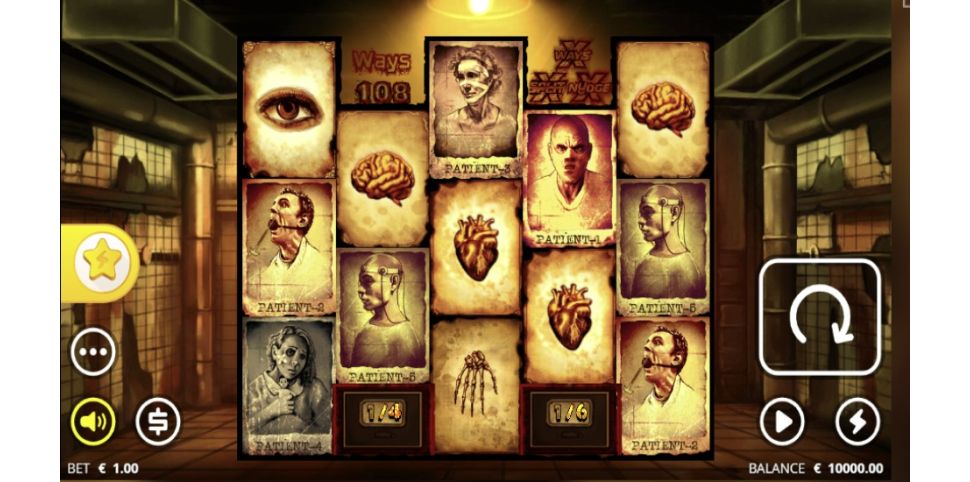
Think of the Mental 2 Slot as a specialised mental channel https://mental2.eu/. It’s a metaphor for a particular kind of focused awareness, not a physical spot in your brain. The concept is basic: by aiming your attention at this “slot,” you might more clearly tell the difference between a genuine intuitive nudge and your own internal chatter—your memories, daydreams, and running commentary. It serves as a filter. Its job is to separate personal thought from what seems like guidance originating from elsewhere. In UK spirituality, where people often blend old traditions with modern psychology, frameworks like this one are useful. They provide a structure that can seem easier to work with than purely mystical explanations.
Key Foundations of Impactful Message Reception

Using the Mental 2 Slot effectively hinges on a few key ideas. These principles appear in numerous systems for cultivating intuition. Intentionality comes first. You have to deliberately decide to “open” or listen to this channel, and you need a clear, calm mind to achieve that. Next is discernment. This is the skill of detecting the subtle feel of a transmitted message compared to a thought you made up. Then there’s validation. Here, you gently check insights against real-world events and your inner ethics, but you steer clear of rushing into quick, harsh judgments. Last is non-attachment. If you try to push a message or become too emotionally hooked on a certain outcome, you usually cloud the signal. Together, these ideas create a structured but receptive state where sharper reception becomes more likely.
The function of Mental 2 in contemporary spiritual work
In recent times, many spiritual seekers seek methods they can practice and test for themselves. The Mental 2 Slot system fits here. It presents a systematic way to approach clairsentience and claircognizance. It suits for people who find open-ended meditation too abstract, or who struggle to identify where their insights arise. Having a defined focal point—the “slot”—provides the mind a job to do. This can, interestingly, quiet the mental background noise and make you more open. This strategy aligns with a wider shift in spirituality toward self-empowerment. It encourages people to build their own direct line instead of always leaning on a medium or a guide.
Separating Authentic Impressions from Mental Noise
Distinguishing a real impression from everyday thought is the main hurdle. People often note that messages arriving via the Mental 2 Slot have certain characteristics. They can pop in suddenly and feel whole, unlike the rambling, associative quality of normal thinking. Their emotional tone tends to be impartial or kind, even if the content is blunt. Your own mental noise, by contrast, often carries the weight of your personal worries or wants. A genuine impression can also bring a distinct sense of “knowing” that feels separate from you. To build this skill, try a journaling activity. Write down every impression without judging it in the time. Later, look back with a cooler head. See if you can spot patterns or links to things that actually transpired. This trains your mind to recognize the signature of a true message.
Preparing the Consciousness for Unobstructed Reception
Thorough readiness sets the stage. The majority of users employ a similar order to have the Mental 2 Slot ready. They begin with anchoring. This means centering your consciousness in your physical self and the present moment, frequently by focusing on your inhalation and exhalation or the feel of the ground under your feet. Afterward, they clear the mind chatter. A quick mindfulness practice or focused relaxation allows the typical flow of personal thoughts calm down. Subsequently, they establish a definite aim. A phrase such as “I am open to receiving helpful guidance” creates a purposeful and protective space for the session. The objective of all this is to attain a mode of tranquil attentiveness. You aren’t straining to establish communication, but you aren’t falling asleep either. That is a balance.
Standard Formats of Delivered Messages
Guidance that is received through this focused channel can manifest in diverse ways. Understanding the formats assists with identification and interpretation. These are the most frequent forms:
- Symbolic Imagery: A vivid, unprompted picture that serves as a metaphor you should understand.
- Immediate Knowing: A rapid influx of information that feels like an undeniable fact.
- Emotional or Sensory Impressions: A surge of distinct emotion or a tangible sensation that conveys meaning.
- Precise Phrases or Words: Specific words or brief phrases sensed in your mind, usually in a tone unlike your own inner voice.
- Kinesthetic Nudges: A subtle sense of direction or attraction, or an inner awareness of “affirmative” or “no” that directs a choice.
Communication is hardly ever one-dimensional. Recognizing these different forms enables you to pick up on subtler guidance that isn’t packaged as a full sentence.
Weaving Guidance into Daily Life
Receiving a message is only the start. The actual point is to blend it into your life. A measured approach works best. Avoid follow guidance blindly. Alternatively, sit with the feeling and think about what it could mean. Pose questions. Does it match your core values of kindness and honesty? Does this point you toward growth, or does this just stir up fear? For hands-on integration, you might take a minor, safe step as a test. Or you might simply hold the guidance gently and see if more clarity comes later. The goal is to let spiritual insight guide your practical reasoning and personal responsibility, not override them. This equilibrium keeps the practice sound and rooted in everyday reality.
Potential Challenges and Ethical Implications
Handling received messages has its drawbacks. These difficulties warrant careful consideration. Confirmation bias is a major factor. It’s easy to unconsciously mold messages so they confirm what you already think or secretly wish. Additionally, there is the risk of spiritual bypassing—employing guidance as an excuse to avoid tough emotional work or practical chores. On the ethical front, keep in mind that receiving personal guidance doesn’t make you a source of authority on someone else’s life. Refrain from advising others without their clear consent and proper limits. Any message that implies damaging yourself or another person must be dismissed immediately as untrue. Regular self-reflection, a dose of humility, and sometimes having a break from the practice are good safeguards. They guarantee the work stays sustainable and positive.
Advancing Your Practice Over Time
Skill with the Mental 2 Slot grows with consistent practice, like learning an instrument. Initially, your experiences might be vague and occasional. With time, as your mind masters this new focus, they can become more distinct and more reliable. It supports to look back through your journal every few months. You’ll see your own growth and notice any lingering blocks or repetitive themes. Discussing with a respectful community of fellow practitioners can give fresh perspectives, though the core work is always individual. As you develop, the process often gets less rigid. It learns to weave itself into ordinary moments of quiet reflection during your day. The end goal isn’t non-stop reception. It’s to cultivate a generally receptive and discerning awareness that adds depth to both your spiritual path and your everyday choices.

